Safe Bullpen Frequency for Youth Pitchers: What Most Workload Schedules Miss About Arm Health & Recovery
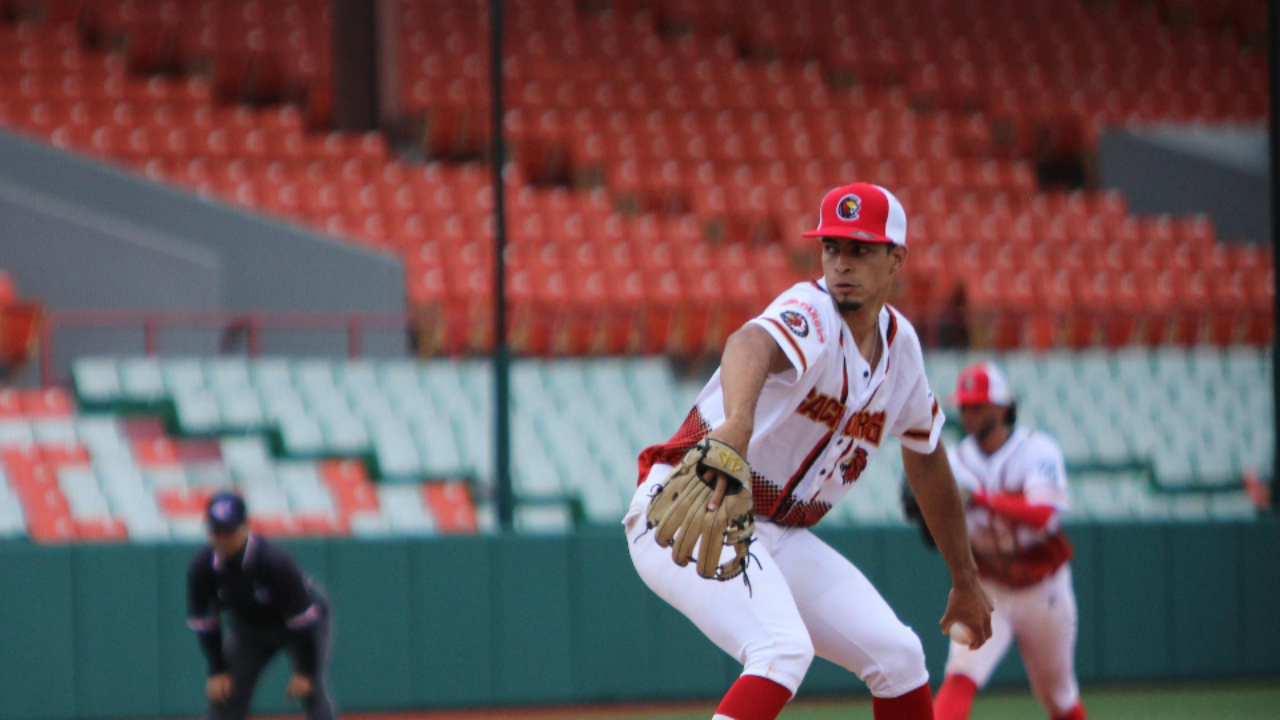
When Bullpen Frequency Isn’t the Answer: A Better Way to Think About Youth Pitching Workload and Arm Health
If you’ve ever heard someone say, “Just throw more bullpens and your arm will be ready,” you’re not alone. That advice sounds logical at first—controlled throwing in a non-game setting should help, right? But too often, pitchers and families follow a schedule that looks responsible on paper, only to find the arm still feels fatigued, velocity inconsistent, or mechanics deteriorating late in games. That frustration usually comes from focusing on how often you throw rather than how the arm actually responds to stress.
This blog breaks down what most people miss about bullpen sessions, workload, and youth pitching recovery—and offers a more useful framework for making decisions that protect long-term durability.
If you want to understand why pitchers can feel sore even when pitch counts are followed, you can read the first chapter of Beyond Pitch Counts here.
Why This Matters Now
Youth pitchers today throw more than ever—games, bullpens, long toss, lessons, and even throwing outside baseball. And while pitch counts offer a partial view of volume, they don’t tell the whole story. Parents and coaches often try to borrow professional routines (like standard bullpen frequencies) without understanding the context in which professionals actually throw. That context includes careful workload monitoring, recovery strategies, and years of tissue adaptation.
The result: arms still get sore, velocity dips, and parents are left wondering what went wrong.
The Real Problem with “More Bullpens”
At its core, the issue is this: bullpen frequency is often treated like an arm health strategy, when it’s really a workload decision.
The flawed assumption goes something like this:
If a bullpen is controlled and supervised, then throwing more of them must be safer than throwing less.
The missing insight is that intent matters. A bullpen is, at its heart, high-intent stress. It often involves repeated effort, focused mechanics, and elevated shoulder and elbow loading. That’s fine when the body is ready—but it’s a problem when the arm is already dealing with accumulated stress from games, long toss, strength training, or even daily life.
When those stressors add up faster than the body can recover and adapt, tissues lose tolerance and durability erodes over time.
A Better Framework: Readiness vs Exposure
Instead of asking “How many bullpens should we throw?” it helps to ask:
What does this bullpen add to the total throwing stress picture right now?
This shifts the focus from frequency to context:
-
Readiness: How does the arm feel today? Are warm-ups smooth? Is there lingering soreness from recent sessions?
-
Intent: Is this bullpen meant for feel, command, or high-effort work?
-
Recovery Window: What comes next? A game? Practice? A heavy lifting day?
Bullpens should be used to express readiness, not to create it. When sessions are planned without regard for recovery timelines, fatigue accumulates quietly—sometimes without obvious pain until it’s significant.
The Science in Plain English
Research from the American Sports Medicine Institute (ASMI) and other throwing studies has shown that arm injuries are more closely linked to cumulative workload and fatigue than to any single session type. What matters is not just how many pitches were thrown, but the total stress the arm has endured and how well it has recovered.
Biomechanically, high-intent throws increase torque at the shoulder and elbow. Without adequate time for tissues to remodel and adapt, micro-damage can accumulate. Combined with growth-related changes in coordination and mobility in young athletes, this is why overscheduling—even with controlled environments like bullpens—can become counterproductive.
Moreover, motor learning research tells us that repetition under fatigue can reinforce less efficient movement patterns, making the arm work harder to produce the same result. In other words, a bullpen thrown when tired doesn’t just add stress—it can cement inefficient mechanics that raise load in future sessions.
Real-World Scenarios: How This Looks in Practice
Youth Pitcher Example:
A 13-year-old throws in a weekend tournament, plays shortstop between games, and then is scheduled for a midweek bullpen to “stay sharp.” By Friday, the arm feels heavy and less accurate. The bullpen didn’t cause the problem—but it added stress without enough recovery.
High School Scenario:
A varsity pitcher’s week includes a game, rotational lifting, two bullpens, and a showcase tournament. Each session looks reasonable individually—but together, recovery never catches up, and performance plateaus.
MLB Contrast:
Professional pitchers do throw frequent bullpens—but within a system that includes built-in recovery, specific load monitoring, and support resources (physical therapy, sleep optimization, strength prep). That context doesn’t exist for most youth athletes.
Practical Takeaways for Parents and Coaches
Here’s a simple decision framework you can use when thinking about bullpen sessions in youth pitchers:
🧠 Ask These Three Questions Before Scheduling a Bullpen
-
What has the arm already done this week?
Include games, long toss, lessons, practice throwing, and lifting. -
What is the intent of this bullpen?
Is it a light feel day, command focus, or high-effort session? -
What does the schedule look like afterward?
Is there adequate recovery time before the next demanding day?
If the arm hasn’t fully recovered from previous stress, or another heavy day is coming soon, it may be smarter to lighten or postpone the bullpen than to stick rigidly to a frequency schedule.
This isn’t about doing less forever. It’s about sequencing stress and recovery so that the body can adapt and grow more durable over time.
A Smarter Way to Think About Arm Health
Bullpens aren’t inherently good or bad. They’re simply a form of stress. How often or when you throw them should depend on the whole picture—workload, readiness, intent, and recovery.
Youth pitching recovery and durable arm health aren’t built on rigid templates. They’re built on awareness: noticing how the arm feels before a session, understanding what it has already experienced, and honoring recovery windows that allow tissues to adapt rather than deplete.
That’s the kind of clarity VeloRESET is grounded in—so you can stop guessing and start seeing patterns that help you make better decisions.
For More Insight
Internal links you might explore next:
-
Youth Pitching and Workload Management — how total volumes affect adaptation
-
Arm Readiness and Throwing Intent — a guide to signs of real readiness
-
Recovery Sequencing for Young Athletes — why spacing and rest matter
Listen to the Full Episode
For a deeper dive into bullpen sessions, workload demands, and smarter ways to think about throwing decisions that protect long-term arm health, listen to the complete episode here: https://www.veloreset.com/podcasts/the-veloreset-podcast/episodes/2149156192
The VeloRESET Lens for This Topic
Arm Readiness
Reflect on how the arm feels in warm-ups versus late in sessions, and consider whether soreness is a lingering sign of incomplete recovery.
Workload Context
Think about total stress across all throwing environments, not just bullpens or games in isolation.
Durability Over Time
Ask whether today’s session supports being able to throw comfortably weeks and months from now, not just tomorrow.
Prefer to see this concept explained visually?
Here’s the short breakdown that reinforces the key idea from this article: