Youth Pitching Recovery After a Game: Ice Versus Heat, Arm Care, Best Methods Before Next Outing
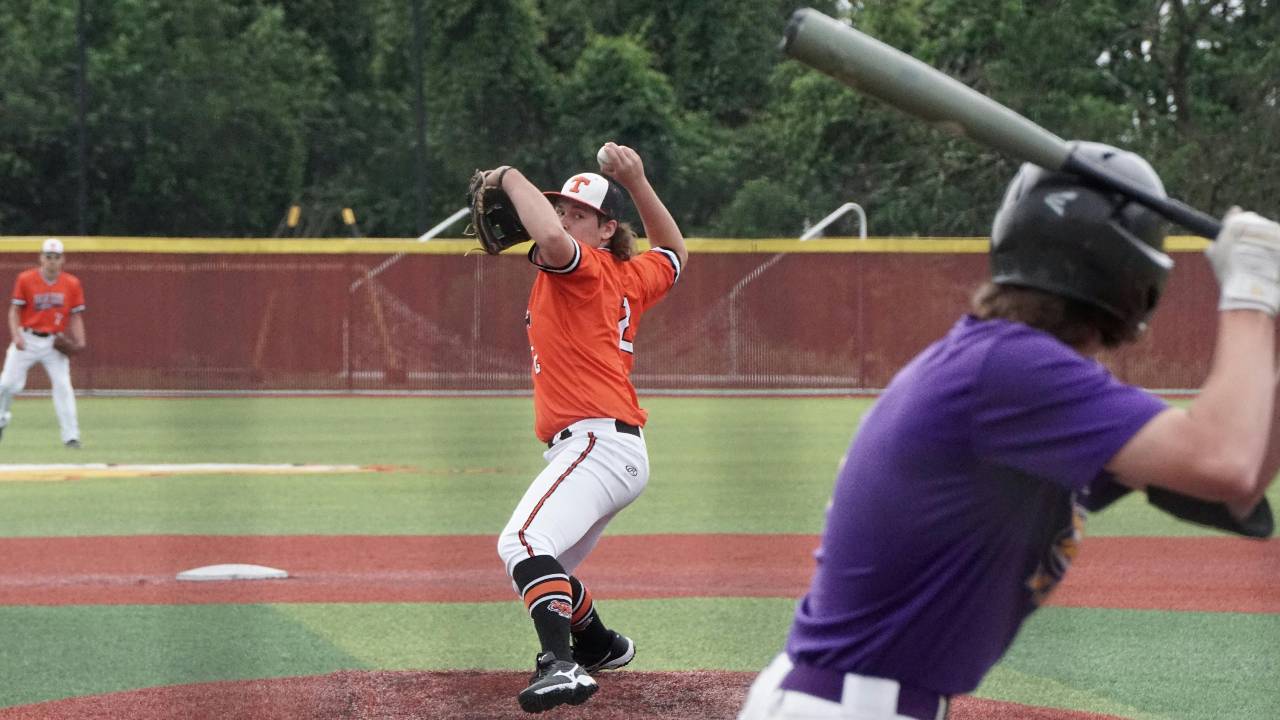
Ice Versus Heat for Youth Pitcher Recovery: What Actually Helps the Arm Heal
If you are a parent of a youth pitcher, you have probably faced this moment. Your child finishes pitching, their arm feels sore, and the first question comes fast—do we ice it, or do we use heat?
For decades, icing after pitching was automatic. Pitch, ice, repeat. But now that long-standing advice is being challenged. Some say ice is outdated. Others say heat is better. Most parents are left confused, trying to do the right thing while protecting their child’s arm.
The truth is this is not really a debate about ice versus heat. It is about understanding what a young pitcher’s arm needs at different phases of recovery. That distinction has never mattered more than it does right now, as youth baseball schedules grow longer and true off-seasons continue to shrink.
If you want to understand why pitchers can feel sore even when pitch counts are followed, you can read the first chapter of Beyond Pitch Counts here.
Why Recovery Has Become the Limiting Factor in Youth Baseball
Most young pitchers are not breaking down because of poor mechanics or lack of velocity training. They are breaking down because their tissues never fully recover between throwing sessions.
Modern youth baseball often includes multiple teams, year-round play, and short recovery windows. In that environment, recovery becomes the foundation for arm health, durability, and long-term development. When recovery is misunderstood or rushed, even good training can start working against the arm instead of supporting it.
The Biggest Misconception: Ice Versus Heat
One of the most important clarifications from this episode is simple but powerful. The real issue is not choosing between ice or heat. The real issue is understanding the sequence of recovery after throwing.
After a pitching outing, the arm moves through predictable stages:
-
Acute tissue stress and micro-damage
-
Increased circulation for metabolic cleanup
-
Tissue restoration that can take twenty four to seventy two hours depending on workload, age, and readiness
When parents apply ice or heat without considering this sequence, they may unintentionally slow recovery rather than support it.
What Ice Actually Does for a Pitcher’s Arm
Ice is often assumed to speed healing or prevent injury. Research and clinical experience tell a different story.
Ice primarily reduces local blood flow and dampens nerve signaling. In simple terms, it can reduce pain and perceived soreness by decreasing the signal sent to the brain. What it does not do is speed tissue healing or rebuild stronger tissue.
This matters because reduced pain does not automatically mean improved recovery. It often just means reduced sensation.
Inflammation is also widely misunderstood. Inflammation itself is not the enemy. It plays a necessary role in the recovery and rebuilding process. The real problem is uncontrolled or chronic inflammation, not the short-term inflammatory response that follows throwing.
This is why blanket advice like “always ice after pitching” has become outdated. Overusing ice, especially for long periods, can blunt the natural signals the body uses to adapt and rebuild.
Where Heat Fits into Youth Pitching Recovery
Heat often gets dismissed in baseball circles, but when used at the right time, it plays an important role.
Heat increases blood flow, improves tissue pliability, and supports the body’s rest and restore response. The key is timing. Heat should not be applied immediately to a hot, irritated arm after throwing. That is a common mistake.
Later in the recovery process, when stiffness and restricted movement become the main issue, heat can help restore circulation and movement quality. This is especially important for young pitchers who often spend long periods sitting in cars or on couches after games, which leads to tightness and limited motion.
A Simple Framework for Parents: Temperature With Purpose
Instead of following rigid recovery rituals, this episode introduces a response-based approach called temperature with purpose.
Immediately after throwing, the first question should be whether the arm feels irritated or simply fatigued.
-
If the arm feels angry or irritated, brief ice for eight to ten minutes may help calm the nervous system.
-
If the arm feels tired but not irritated, ice may not be needed at all. Hydration and light movement often support recovery better.
Later the same day or the following day, the goal shifts.
-
If stiffness or restricted movement is present, heat combined with gentle movement can help restore circulation and rhythm.
-
Ice at this stage usually adds little value unless soreness is excessive.
The guiding principle is simple. Recovery should prepare the arm for the next throwing session, not just reduce discomfort in the moment.
Why This Long-Term Mindset Matters
Strong, durable arms are not built through forcing outcomes or following rigid protocols. They are built by respecting timing and responding appropriately to what the body needs at each stage of recovery.
Velocity is an outcome. Health is the prerequisite. And the relationship between the two is largely determined by how well recovery is understood and implemented over time.
Learn More and Go Deeper
If this topic resonates, the full podcast episode walks through these concepts in greater detail and explains how parents and coaches can apply them during a long season.
You can listen to the full episode here:
https://www.veloreset.com/podcasts/the-veloreset-podcast/episodes/2149137341
For additional science-backed resources, consider exploring:
-
The Arm Lab Newsletter for ongoing guidance on youth pitching recovery, workload, and arm care
-
The “Find Out Why Your Pitcher’s Arm Hurts in Under 90 Seconds” quiz at VeloRESET.com
At VeloRESET, the goal is clarity first, training second—so families can make smarter decisions that support long-term arm health, not just short-term results.
The VeloRESET Lens for This Topic
Ice vs Heat Isn’t the Decision. Timing Is.
If ice versus heat feels confusing, it’s usually because the debate skips the most important variable: timing. At VeloRESET, recovery tools are never viewed in isolation. We look at where the arm is in the recovery sequence and what the tissue needs in that moment.
Ice and heat create opposite effects. Ice reduces nerve signaling and blood flow. Heat increases circulation and tissue extensibility. Neither heals tissue on its own, and used at the wrong time, either can slow recovery.
Right after throwing, the arm may be irritated or simply fatigued. An irritated, reactive arm may benefit from brief ice for comfort. A stable but tired arm often does not. Later, when stiffness and restricted movement show up, heat paired with gentle movement can help restore circulation and rhythm.
The goal is not pain reduction alone. It’s preparing the arm for the next throwing day. Most breakdowns come from stacked workloads and short recovery windows, not a single ice or heat decision.
Velocity is an outcome. Durability is the process.
Prefer to see this concept explained visually?
Here’s the short breakdown that reinforces the key idea from this article: